
Why Is Bullying So Common in Sport?
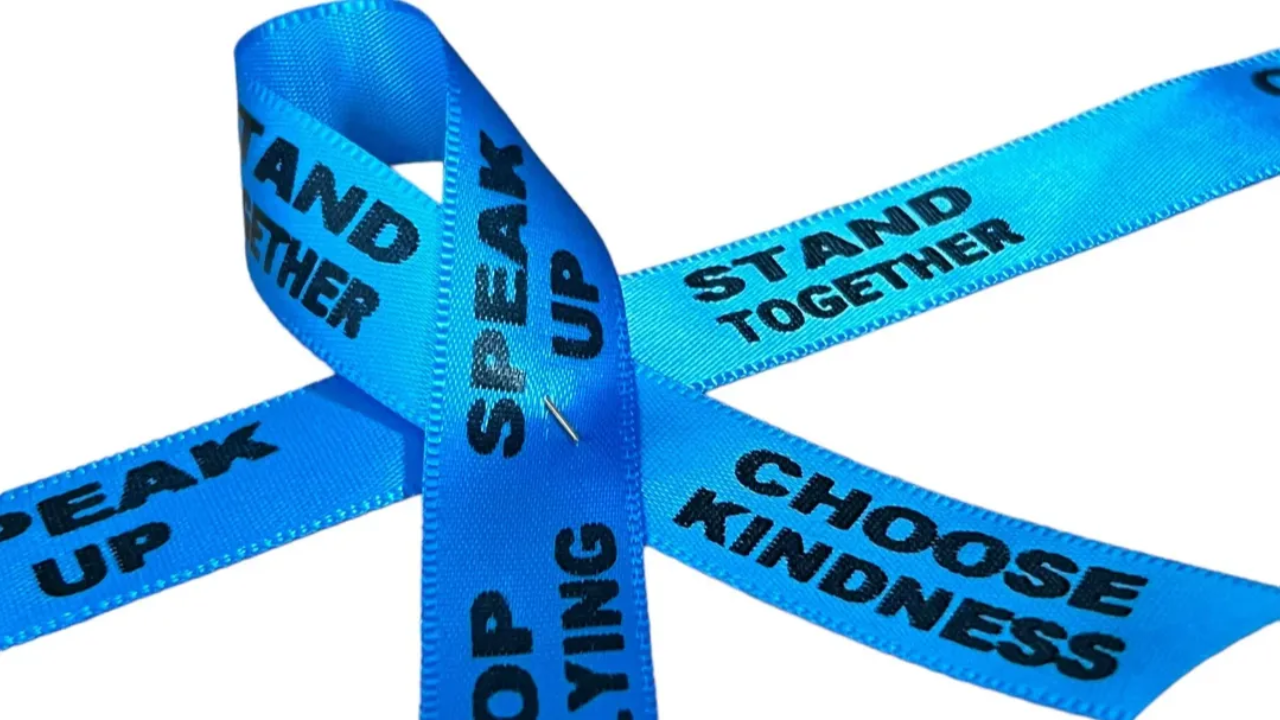
And Why Dog Agility Isn’t Immune
Let’s talk about something uncomfortable.
Bullying in sport.
Not the obvious, dramatic kind you see in headlines—but the quieter, everyday version:
- The cutting comment at the ring gate
- The exclusion from training groups
- The public criticism disguised as “feedback”
- The whisper networks and cliques
If you’re involved in dog agility, you’ve probably seen it. You might have experienced it.
And if you’re feeling like “this environment is getting toxic”—you’re not imagining it.
---
The uncomfortable truth: this isn’t just an agility problem
Bullying is widespread across sport at every level.
Research shows it’s a significant and ongoing issue, often underreported and underestimated. In fact, studies have found that a large proportion of athletes and coaches have experienced bullying behaviors, yet many never report it.
Why?
Because sport creates the perfect conditions for it.
---
1. Sport is built on power—and power can be abused
At its core, bullying is about power imbalance.
And sport is full of power structures:
- Coaches over athletes
- Judges over competitors
- Experienced handlers over beginners
- Committees over members
These hierarchies aren’t inherently bad—but when they’re misused, they create space for repeated harmful behavior.
In sport settings, bullying often shows up as:
- Constant criticism
- Social exclusion
- Intimidation or humiliation
Sound familiar?
---
2. “Toughness” culture normalizes bad behavior
There’s a long-standing belief in sport that:
“Pressure makes you better.”
In some environments, that gets twisted into:
“If you can’t handle it, you don’t belong.”
Bullying is sometimes framed as:
- Motivation
- Building resilience
- Preparing for competition
But research shows it can actually have the opposite effect—damaging confidence, wellbeing, and long-term participation.
---
3. No one speaks up (for very real reasons)
One of the biggest reasons bullying persists?
Silence.
Many people don’t report it because they fear:
- Losing opportunities
- Social exclusion
- Being labelled “difficult”
Studies show a significant number of people who experience bullying in sport never tell anyone.
And in smaller communities, that fear is amplified.
---
4. Small communities make it more intense
This is where dog agility becomes particularly vulnerable.
Agility is:
- Tight knit
- Relationship-driven
- Reputation-based
That means:
- Conflicts don’t disappear—they linger
- Social hierarchies are very visible
- Exclusion can be subtle but powerful
And because “everyone knows everyone,” speaking out can feel risky.
---
5. Ego, identity, and emotional investment
Dog agility isn’t just a sport.
It’s:
- Your relationship with your dog
- Your time, money, and identity
- Years of effort and emotional investment
So, when things go wrong—or when someone feels threatened—reactions can get personal.
That can lead to:
- Defensive behavior
- Judgement of others
- Putting people down to protect status
---
6. Judging, perception, and fairness
Even in well-run competitions, judging can feel subjective.
Research shows that in many sports, bias—conscious or not—can influence outcomes.
In agility, that perception alone can:
- Create distrust
- Fuel gossip
- Divide communities
And once that starts, negativity spreads quickly.
---
7. Toxic culture doesn’t happen overnight
Toxic environments aren’t created by one person.
They grow when:
- Behavior isn’t challenged
- Leadership stays silent
- “That’s just how it is” becomes normal
Over time, disrespect, exclusion, and harsh behavior become part of the culture.
And people either:
- Adapt to it
- Or quietly leave
---
The real cost (and it’s bigger than we think)
Bullying in sport doesn’t just hurt feelings.
It can:
- Damage mental health
- Reduce confidence and performance
- Push people out of the sport entirely
And when good people leave, the culture often gets worse—not better.
---
So… what now?
This isn’t about blaming individuals.
It’s about recognizing patterns.
Because the truth is: 👉 Dog agility can be an incredible, supportive, joyful sport
👉 But only if the culture allows it to be
Change doesn’t come from one big moment.
It comes from small shifts:
- Calling out behavior (even gently)
- Choosing kindness over status
- Supporting newcomers
- Refusing to normalize toxicity
---
Final thought
If you’ve ever felt uncomfortable, excluded, or disheartened in this sport:
You are not alone.
And you are not the problem.
Sometimes the bravest thing you can do is simply say:
“This isn’t okay—and it doesn’t have to be like this.”
